
Your cart is currently empty.
White Horse Vapor
Best Budget Disposable Vapes 2026 Under $20
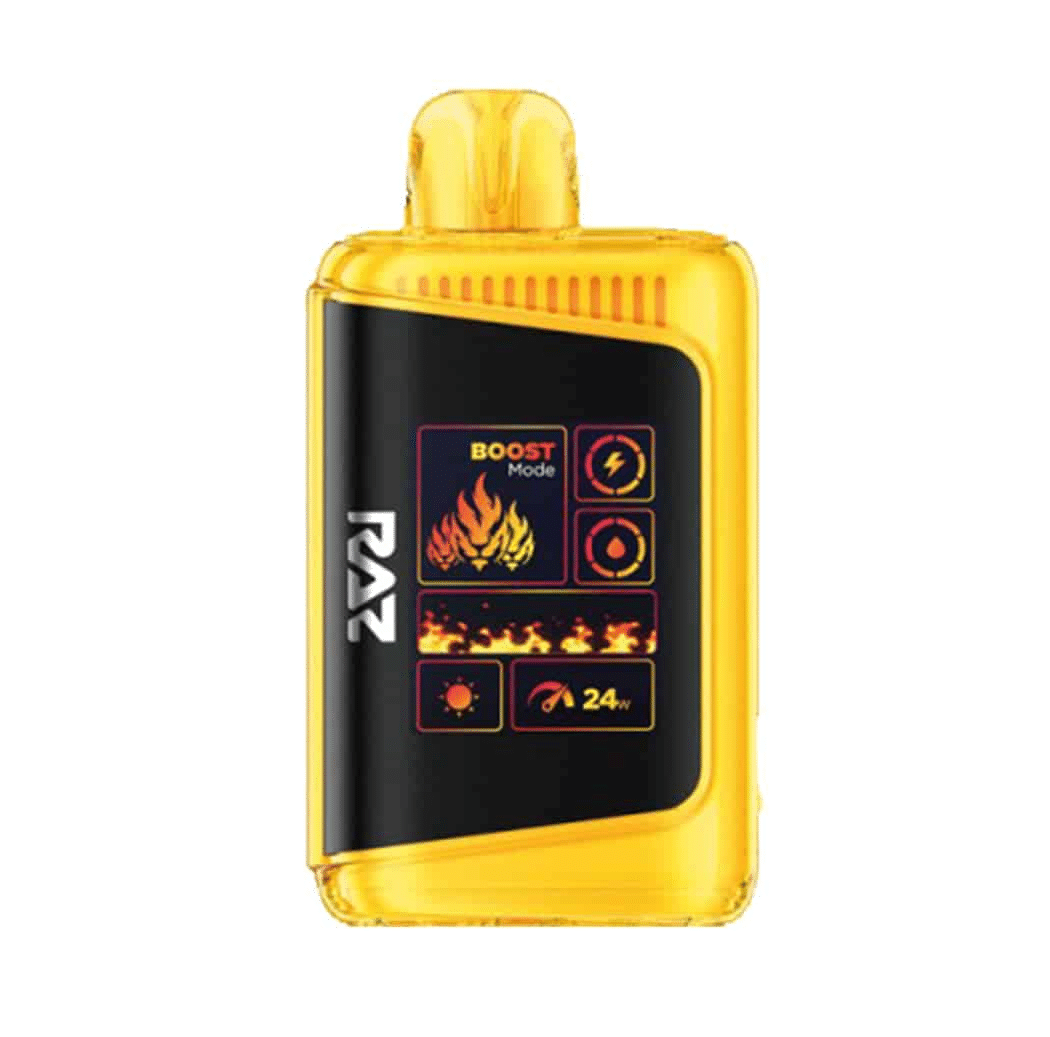
Disposable vapes remain a widely discussed category of electronic nicotine products in the United States. In 2026, understanding how these devices work, what they contain, and how regulations affect their availability can help adults make informed decisions. White Horse Vapor recognizes the importance of accurate information, particularly when discussing nicotine products and responsible use.
What Are Disposable Vapes?
Disposable vapes are compact electronic devices designed to deliver an aerosol that may contain nicotine, flavorings, and other ingredients. Unlike reusable vaping devices, many disposable models are manufactured as single-use products and are not intended to be refilled or recharged.
Their small design and straightforward operation have contributed to their visibility in the broader vaping market. However, their convenience does not mean they are risk-free, and consumers should understand the contents and intended use of any nicotine product.
How Do Disposable Vapes Work?
Disposable vaping devices generally contain several basic components that work together to produce an aerosol. Understanding these components provides useful context for anyone researching electronic nicotine products.
Most devices include a battery, heating element, liquid reservoir, and mouthpiece. When the device is activated, the battery supplies power to the heating element. The element then heats the liquid, producing an aerosol that the user inhales.
The aerosol is not simply harmless water vapor. Depending on the product, it can contain nicotine, flavoring substances, and other chemical compounds. This is why vaping should not automatically be considered harmless simply because it does not involve traditional tobacco combustion.
Understanding Nicotine in Disposable E Cigarettes
Nicotine is an addictive substance commonly found in electronic nicotine products. Its presence is particularly important when evaluating disposable e cigarettes because repeated exposure can contribute to dependence.
Nicotine can affect the brain and nervous system and may produce temporary effects such as increased alertness or changes in heart rate. Regular use can lead to cravings and withdrawal symptoms when consumption is reduced or stopped.
Adults who do not currently use nicotine should understand that starting to vape can introduce the risk of nicotine dependence. Young people, pregnant individuals, and people who do not use tobacco or nicotine products should avoid nicotine exposure.
What Should Consumers Know About Vaping Products Online?
Information about vaping products online can vary considerably between websites. Product descriptions may provide information about ingredients, nicotine concentration, device specifications, and manufacturer details, but consumers should not assume that every online listing is accurate or compliant with U.S. requirements.
When researching electronic nicotine products, it is important to distinguish factual product information from promotional claims. Consumers should also consider whether a product is legally marketed in the United States and whether the information comes from a reliable source.
Regulatory status can change, so current information from U.S. government and regulatory authorities is more dependable than unsupported claims found on social media or unfamiliar websites.
U.S. Regulations and Disposable Vapes
Federal regulation of electronic nicotine products is primarily overseen by the U.S. Food and Drug Administration. Manufacturers and retailers must comply with applicable federal requirements, while additional rules may apply at the state and local levels.
Rules can address areas such as product authorization, manufacturing, labeling, advertising, sales, and age restrictions. State requirements can differ, which means regulations applicable in one location may not be identical to those in another.
Consumers should therefore check current federal and state guidance rather than relying on outdated articles or general assumptions about vaping regulations.
Safety Considerations for Disposable Devices
Although disposable devices are designed for convenient use, they still require responsible handling. Electronic devices containing lithium batteries should be protected from excessive heat, physical damage, and improper storage.
A damaged, leaking, swollen, or unusually hot device should not be used. Consumers should follow the manufacturer’s safety instructions and avoid modifying a disposable device.
Another important consideration is proper disposal. Disposable vaping devices contain electronic components and batteries, so they should not automatically be treated like ordinary household waste. Local waste-management or battery-recycling guidance can help determine the appropriate disposal method.
Why Responsible Information Matters
Discussions surrounding disposable vapes often contain conflicting claims about their safety and effectiveness. Some statements may exaggerate potential benefits, while others may overlook important risks.
A more useful approach is to consider established evidence and recognize that vaping is not risk-free. Adults who currently use nicotine should speak with a qualified healthcare professional if they want personalized guidance about nicotine use, dependence, or quitting.
People who have never used tobacco or nicotine products should understand that there is no health benefit to beginning nicotine use.
Final Thoughts on Disposable Vapes in 2026
Disposable vapes continue to receive attention in the United States, making reliable information increasingly important. Understanding device components, nicotine exposure, safety considerations, regulations, and responsible disposal can help adults approach the subject with greater awareness. White Horse Vapor encourages readers to rely on accurate information and current regulatory guidance rather than unsupported claims.
For questions about our business or general product information, contact us through our official customer-service channels.
Frequently Asked Questions
Are disposable vapes safer than cigarettes?
Disposable vapes and cigarettes have different health risks. Vaping can still expose users to nicotine and potentially harmful substances, so it should not be considered harmless.
Do disposable vapes contain nicotine?
Many disposable vaping products contain nicotine, although formulations vary. Always check the product label or manufacturer information for specific details.
Can disposable vapes be recycled?
Disposable vapes contain batteries and electronic components that may require specialized disposal. Follow local electronic-waste and battery-recycling guidelines.
Are disposable vapes regulated in the United States?
Yes. Electronic nicotine products are subject to federal regulation, as well as potentially different state and local requirements.
Can nicotine vaping cause dependence?
Yes. Nicotine is addictive, and regular exposure can lead to dependence. Some users may experience cravings or withdrawal symptoms when stopping.
Is vaping appropriate for young people?
Nicotine vaping is not appropriate for young people. Adolescents and young adults can be especially vulnerable to nicotine dependence and its effects on the developing brain.