
Your cart is currently empty.
White Horse Vapor
Disposable E-Cigarettes Explained: Types, Puff Count & Strength
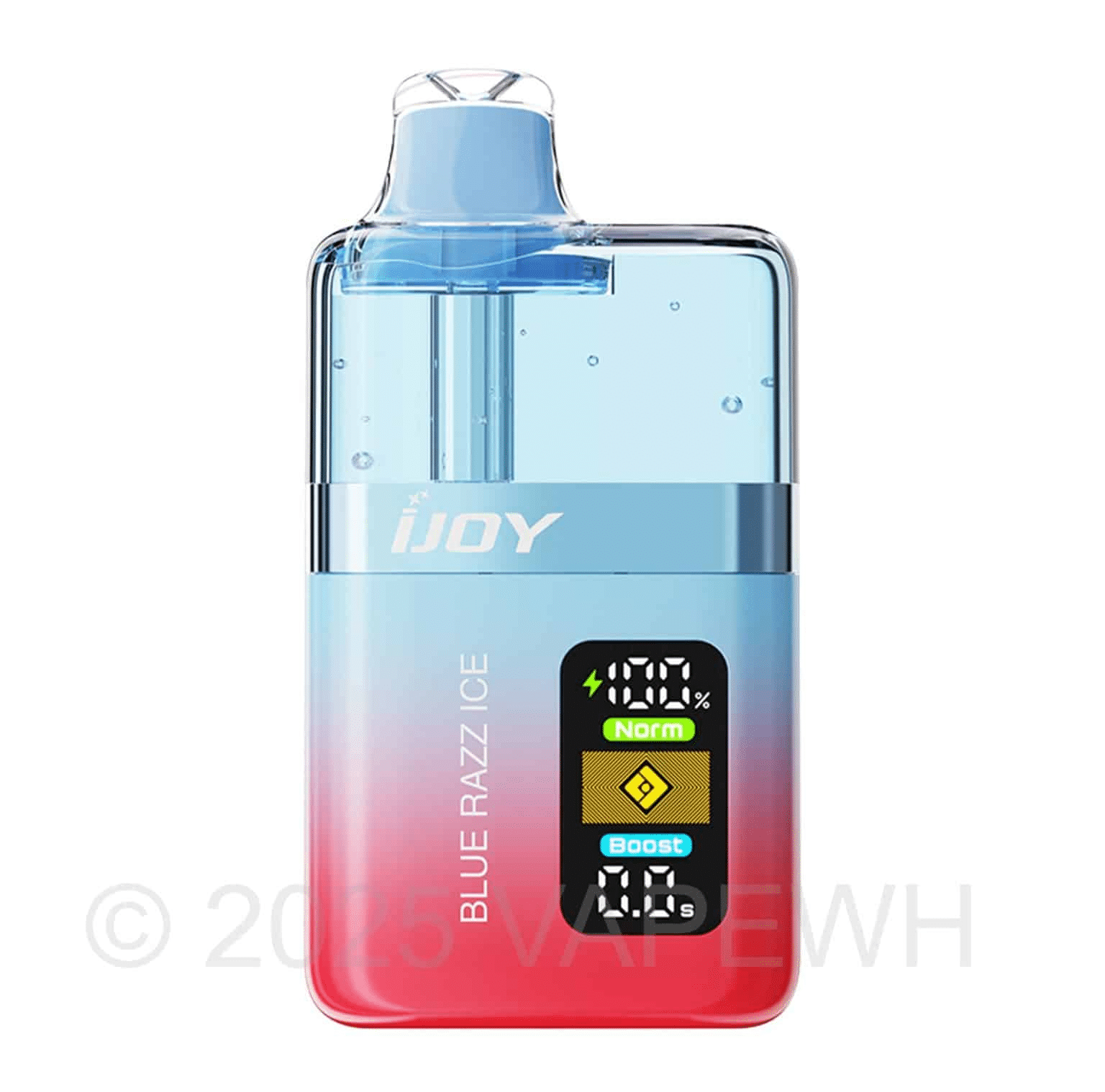
Understanding how vaping devices differ can make product information easier to navigate. For adults researching Disposable E-Cigarettes, White Horse Vapor provides a useful starting point for understanding the basic features commonly associated with these compact devices. Unlike traditional cigarettes, e-cigarettes use a battery-powered heating element to heat an e-liquid and create an aerosol. Disposable models combine the battery, heating system, and e-liquid reservoir into a compact format designed for convenient use.
The disposable category has changed considerably over the years. Early models were generally small, single-use devices with modest puff estimates, while newer products can include larger batteries, different airflow designs, displays, rechargeable batteries, and higher advertised puff counts. Because specifications vary significantly, understanding the terminology is important before comparing products.
What Are Disposable E-Cigarettes?
Disposable e-cigarettes are compact electronic vaping devices that come pre-filled with e-liquid. Traditional disposable designs are intended to be used until the e-liquid or battery is depleted and then discarded rather than refilled. The CDC describes disposable e-cigarettes as a category that can be pre-filled and may be rechargeable, while emphasizing that they are not designed to be refilled.
Most devices contain three basic components: a battery, a heating element or coil, and an e-liquid reservoir. When a user activates the device, the heating element warms the liquid and produces an aerosol for inhalation. The term “vapor” is widely used, although the resulting aerosol is not simply harmless water vapor.
For adults researching disposable vapor cigarettes, the main appeal is the simplified format. There is generally no separate tank to fill or coil to replace. However, product construction, nicotine concentration, battery capacity, flavor availability, and advertised puff counts can differ substantially between models.
Types of Disposable E-Cigarettes
There are several ways to categorize disposable e-cigarettes, and the differences usually relate to construction, battery capability, nicotine formulation, and features. Knowing these categories makes product descriptions easier to understand.
Traditional Single Use Devices
Traditional disposable devices are sealed, pre-filled products designed for use until their contents are depleted. They usually feature automatic draw activation, meaning the device activates when the user takes a puff. Their simple construction makes them straightforward compared with refillable vaping systems.
These models are often compact and lightweight. They may have relatively modest advertised puff counts and generally do not include advanced controls or screens.
Rechargeable Disposable Style Devices
Some newer products marketed within the disposable category include rechargeable batteries. Recharging allows the battery to be replenished while the pre-filled e-liquid remains in the device. This design can support higher advertised puff counts than older single-use models.
It is important to distinguish rechargeable disposables from refillable devices. A rechargeable disposable may allow the battery to be charged but still not permit the user to refill the e-liquid reservoir.
Nicotine Salt and Freebase Options
Another important distinction is the type and concentration of nicotine used. Many modern disposable devices use nicotine salts, which can provide relatively high nicotine concentrations with a smoother sensation than comparable freebase nicotine formulations. The CDC notes that many e-cigarettes contain nicotine salts.
Because nicotine is addictive, adults should pay close attention to the strength listed on packaging rather than assuming that a larger puff count means a lower nicotine exposure.
Understanding Puff Count
Puff count is one of the most visible specifications on disposable e-cigarette packaging. It represents the manufacturer’s estimate of how many draws a device may provide under particular testing conditions.
A device advertised at 600 puffs, for example, does not necessarily provide exactly 600 real-world puffs for every user. Puff duration, inhalation style, device power, airflow, battery performance, and e-liquid consumption can all affect actual usage. Research and industry guides have noted that advertised puff counts can differ from real-world results.
This means puff count is best viewed as a comparison metric rather than a guaranteed lifespan.
Why Puff Counts Vary
Two devices with similar advertised puff counts may perform differently because their heating systems, liquid capacity, and power output are not identical. Longer or deeper draws can consume more e-liquid per puff, potentially reducing the total number of usable draws.
Higher-output settings can also influence battery and e-liquid consumption. Some modern devices offer modes designed to increase vapor production, which can reduce the practical lifespan compared with lower-power operation.
For this reason, consumers should consider puff count alongside e-liquid volume, battery specifications, device design, and intended usage rather than treating the largest number as automatically better.
Nicotine Strength Explained
Nicotine strength describes the concentration of nicotine contained in the e-liquid. It may appear on packaging as a percentage or as milligrams per milliliter, commonly written as mg/mL.
For example, 5% nicotine is commonly expressed as approximately 50 mg/mL. A 2% concentration corresponds to approximately 20 mg/mL. These numbers describe concentration in the liquid; they do not represent a fixed amount of nicotine absorbed with every puff.
This distinction matters because nicotine intake depends on several factors, including device performance, puff duration, frequency of use, and individual behavior. Scientific research has also found substantial variation in nicotine emissions between disposable devices.
Adults who already use nicotine should read the product label carefully and avoid assuming that a higher strength is automatically preferable. Nicotine is addictive, and people who do not currently use nicotine products should not start using them.
Exploring Electronic Cigarette Flavors
Flavor is another major feature of modern disposable devices. Available profiles can include tobacco, menthol, mint, fruit, candy-inspired, and other combinations. The CDC notes that e-cigarettes are available in many flavors, although the agency also highlights concerns surrounding flavored products and youth appeal.
When comparing electronic cigarette flavors, it is useful to understand that the flavor description does not necessarily indicate the exact taste experience. Cooling ingredients, sweetness, formulation, airflow, and heating technology can all affect how a flavor is perceived.
For adults comparing products, reading the complete product description and ingredient information where available can provide more useful information than relying only on a flavor name.
What Should You Consider When Comparing Products?
Choosing between different disposable formats involves more than simply looking at puff count. Start with the device type and determine whether it is genuinely single-use or includes a rechargeable battery.
Next, review nicotine concentration carefully. The same device design may be available in different strengths, so checking the label is essential. If you are trying to reduce or avoid nicotine, remember that nicotine-free labeling and actual product contents should be verified through reliable product information.
Battery capacity and e-liquid volume can also help explain why two devices with similar appearances have different advertised lifespans. Flavor selection, airflow, draw activation, size, and available features can then help narrow down personal preferences.
Adults researching vaping products online should also pay attention to applicable federal and state requirements, age restrictions, product labeling, and retailer policies. Regulations and product availability can change, so current official information should always take priority.
Disposable E-Cigarettes Compared With Refillable Devices
The primary difference between disposable and refillable systems is the level of maintenance. A disposable device generally arrives pre-filled and ready to use, while a refillable system requires e-liquid, charging, and usually some level of component maintenance.
Refillable devices may offer greater customization because users can select e-liquid, adjust settings, or replace coils and pods depending on the system. Disposable devices emphasize simplicity and portability.
Neither format should be judged solely by convenience. Battery safety, nicotine content, responsible use, and proper disposal remain important considerations for any electronic nicotine product.
How to Dispose of a Used Device
Disposable e-cigarettes contain electronic components and batteries, so they should not automatically be treated like ordinary household trash. Lithium-ion batteries can create fire risks when damaged or improperly discarded.
The appropriate disposal method can depend on local waste-management rules. Consumers should check local guidance or an appropriate electronics or battery recycling program where available. Avoid opening, crushing, burning, or attempting to remove the battery from a disposable device.
Responsible disposal is particularly important as disposable vaping products have become more common and device designs have become larger and more complex.
Final Thoughts on Disposable E-Cigarettes
Understanding Disposable E-Cigarettes becomes easier when you look beyond the headline numbers. Puff count is an estimate, nicotine strength represents concentration, and device type determines how much maintenance or charging may be involved. Flavor, battery design, e-liquid capacity, and airflow can also influence the overall experience.
For adults researching vaping products, White Horse Vapor can be a useful starting point for exploring product information while remembering that nicotine products are intended only for adults and that regulations vary across the United States. If you have questions about products, availability, or general information, contact us for assistance and current details.
Frequently Asked Questions
How long does a disposable e-cigarette last?
There is no universal lifespan. A device’s advertised puff count is an estimate, while actual longevity depends on puff duration, frequency of use, e-liquid capacity, battery performance, and device settings.
What does 5% nicotine mean?
A 5% nicotine concentration is commonly equivalent to approximately 50 mg/mL. It describes the nicotine concentration in the e-liquid rather than a fixed amount delivered to the user with every puff.
Can disposable e-cigarettes be recharged?
Some modern disposable-style devices include rechargeable batteries, while traditional disposable models may not. Always check the manufacturer’s specifications rather than assuming that every disposable device can be charged.
Can a disposable e-cigarette be refilled?
Traditional disposable e-cigarettes are not designed to be refilled. Attempting to open or modify a sealed device can create safety risks and may damage the battery or heating components.
Are disposable e-cigarettes safer than traditional cigarettes?
E-cigarette aerosol is not harmless, and e-cigarettes can expose users to nicotine and other substances. The CDC states that no tobacco products, including e-cigarettes, are safe for youth and young adults and that adults who do not currently use tobacco products should not start.
What is the difference between a disposable vape and a pod device?
A traditional disposable is designed to be used and then discarded, while a pod system is generally designed for repeated use with replaceable or refillable pods. Some newer rechargeable disposable-style products blur this distinction, so specifications should be checked carefully.